Skip to content


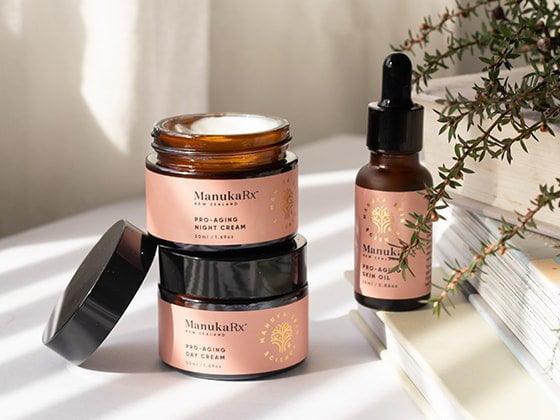
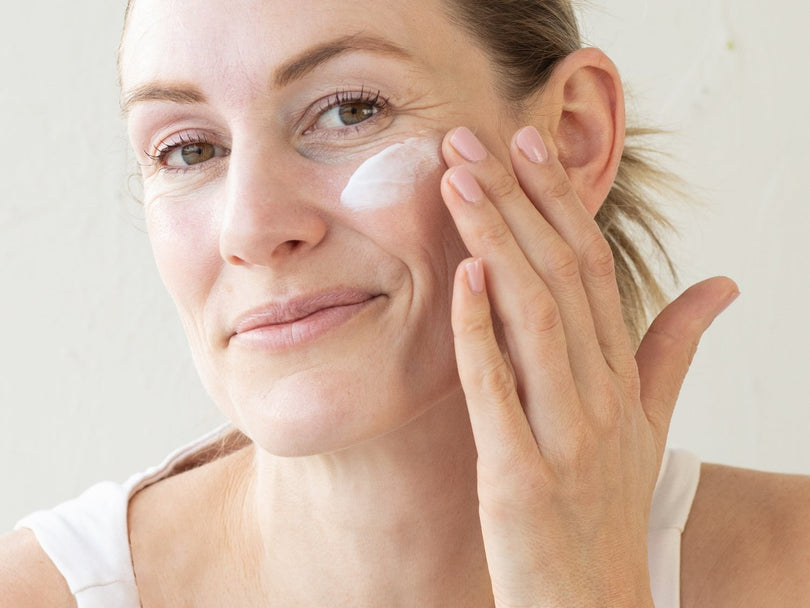

If you’ve been curious about retinal but unsure where to begin, you’re not alone. Between percentages, “purging,” and layering rules, it can feel complex, especially if your skin is dry or sensitive.
This gentle, science-supported beginner guide for NZ conditions (yes, our UV is strong, even in Auckland) explains dosage, timing, and what to expect, with simple routines using ManukaRx’s firming, brightening, and restorative favourites.
Retinal vs Retinol: What’s the Difference, and Why It Matters in NZ
Retinal (retinaldehyde) and retinol are forms of vitamin A that work on skin in different ways. Retinal converts to retinoic acid in one step. Retinol needs two steps. That means retinal can act faster at lower percentages, often with less trial and error for dry or sensitive skin.
New Zealand’s sun is intense all year, and wind, salt air, and seasonal shifts can weaken your skin barrier. A gentle retinal paired with barrier-supporting ingredients makes the process easier. East Cape mānuka oil is valued for its calming benefit and appears in many ManukaRx products to soothe visible irritation.
Key takeaways
- Retinal often works faster than retinol at the same percentage.
- NZ skin types that are dry, sensitive, or mature do well with retinal plus barrier support.
- Daily SPF 30+ is essential when you use any vitamin A derivative here.
Helpful internal links
Pro Tip: If retinol felt slow or irritating, a low-dose retinal formula might suit your skin better.
Dosage and Timing: A Retinal Serum Beginner Guide (NZ)
Getting retinal right is about pacing, not pushing. You want steady, comfortable progress that fits NZ’s climate and how your skin reacts. Start small, give your skin time to adapt, and tweak your schedule rather than overhaul your routine.
Recommended schedule
- Weeks 1 to 4, use 0.05 to 0.1 percent retinal. Apply one pea-sized amount two to three evenings per week to clean, dry skin.
- Weeks 5 and 6, if your skin shows minimal dryness or tingling, move to every other night.
- After week 6, go to nightly use if your skin handles it well.
- Use retinal only at night. Each morning, apply SPF 30+ rain or shine.
How much to use
- Face, one pea-sized amount.
- Neck and décolletage, an optional extra pea; build tolerance slowly.
- Eye area, avoid eyelids unless the label says it’s safe. Use a dedicated eye cream if you need more hydration.
New Zealand adjustments
- Summer or high-UV weeks, keep your schedule conservative, double your morning SPF, and wear a hat at midday.
- Winter or windy days, sandwich retinal between layers of moisturiser and add nourishing oil if skin feels tight.
Pro Tip: Try microdosing your first two weeks, mix half a pea of retinal with your moisturiser, then increase.
Common Mistake: Applying more to speed results. More retinal often means more dryness without better effects. Stick to a pea-sized amount.
Layering Made Easy: A Calm, Effective Routine
Your routine should be simple, soothing, and easy to sustain. In humid Northland or cool Central Otago, the steps stay the same: cleanse gently, treat mindfully, and protect your barrier.
Night routine (retinal nights)
- 1) Cleanse - For dry or sensitive skin, use Soothing Cream Cleanser. For heavy makeup or sunscreen days, start with Gentle Oil Cleanser.
- 2) Treat - Apply your retinal serum. Try ManukaRx Firming Serum for retinal plus hydration.
- 3) Buffer and nourish (sandwich method) - Moisturiser, retinal, then moisturiser again. Use Nourishing Night Cream. Add 1–2 drops of Restorative Skin Oil.
Night routine (non-retinal or reset nights)
- Cleanse as above.
- Hydrate with Hydrating Mist Toner if you like a mist step.
- Treat with vitamin C or niacinamide, or use Manuka Face Oil.
- Seal in moisture with Nourishing Night Cream or Skin Rescue Ointment on very dry patches.
Morning routine
- Rinse or cleanse lightly.
- Apply Skin Brightening Vitamin C Serum.
- Moisturise with Firming Day Cream or Daily Glow Brightening Cream.
- Finish with broad-spectrum SPF 30+, and reapply if you spend time outdoors.
Targeted steps
- Blemish-prone skin, use Blemish Oil on spots on non-retinal nights.
- Eye area, use Restorative Eye Cream alongside your routine.
- Gentle exfoliation, use a mild exfoliant one night per week, for example Rejuvenating Manuka Oil Exfoliant. Avoid the same night as retinal.
Pro Tip: For combination skin, apply more moisturiser to cheeks and less on your T-zone to prevent clogged pores.
Common Mistake: Using too many active products together. In NZ’s high UV, a simple routine plus consistent SPF outperforms complex stacks.
What to Expect: Week-by-Week Results and Adjustments
Mild dryness or tingling at first is normal. Think of it as your skin adapting. The key is to respond early, not push through discomfort. Keep notes on your nights used and any changes in feel or look.
Timeline guide
- Weeks 1–2, mild dryness or tightness can appear, especially in windy or low-humidity weather. Use the sandwich method or extra Restorative Skin Oil.
- Weeks 3–6, you might see slight flaking or pinkness on high-movement areas like the sides of your nose or around your mouth. Scale back to every other night. Use Nourishing Night Cream or Skin Rescue Ointment on dry patches.
- Month 3 and beyond, skin often feels smoother with more even tone and a fresher look. Keep the nightly retinal and strict morning SPF 30+.
NZ-specific troubleshooting
- On windy, burn-risk days in Wellington or along the coast, skip retinal and follow a soothing, hydrating routine.
- On high-UV weekends, focus on SPF, hats, and shade. Stay at every other night during peak summer.
If irritation lasts longer than one week, pause retinal. Focus on barrier repair and reintroduce more slowly. If stinging continues or a rash appears, talk to your GP or dermatologist.
Pro Tip: Try skin cycling, two nights retinal, one night hydration only, one night gentle exfoliation, then repeat. Adjust to suit your skin.
Common Mistake: Confusing purging with a reaction. Purging shows small breakouts where you usually get congestion and clears up as you continue. Red, hot, or patchy irritation means your skin is overloaded. Dial back.
FAQs
Can I use retinal with vitamin C?
Yes. Apply vitamin C in the morning and retinal at night. If your skin is very sensitive, use vitamin C every second morning and retinal two to three nights per week. Then build up.
Is retinal okay for dry or sensitive skin?
Yes, it works well. Start slowly, use the sandwich method, and add soothing support like Restorative Skin Oil and Nourishing Night Cream. East Cape mānuka oil helps calm your barrier.
Do I need sunscreen in winter in NZ?
Yes. NZ UV is strong year-round. Retinal increases sun sensitivity, so use SPF 30+ every morning, rain or shine.
What percentage of retinal should beginners use?
Most begin at 0.05 to 0.1 percent. Increase only if your skin handles it well and you use SPF consistently.
Can I use retinal around my eyes?
Avoid eyelids unless the label says it’s safe there. Apply near your orbital bone and add an eye cream if you need more comfort.
Should I apply retinal on my neck and hands?
Yes, but go slowly. These areas can be more sensitive. Always follow with SPF on your hands daily.
Can I combine retinal with acids or benzoyl peroxide?
Best to alternate nights at first to reduce irritation. If your skin adapts, you can mix routines, but in NZ, simple use plus SPF wins.
Is retinal safe during pregnancy or breastfeeding?
Topical vitamin A products are generally not recommended. Check with your healthcare provider for advice.
How should I store my retinal serum?
Keep it in a cool, dark place and close the cap tightly. Heat and light break down vitamin A derivatives.
Free Starter Checklist
- Product check, 0.05–0.1 percent retinal, gentle cleanser, moisturiser, SPF 30+, optional face oil.
- Week 1, two nights retinal, five nights hydrate.
- Week 2, three nights retinal, four nights hydrate.
- Week 3, three-four nights retinal as your skin allows, use sandwich method if skin is dry.
- Week 4, four-five nights retinal or stay every other night if it’s windy or dry.
- Weeks 5–6, increase to every other night or nightly if your skin feels good.
- Daily, vitamin C in the morning, SPF 30+, hat for midday sun. Pause and repair if you get stinging or lasting redness.
If you want a retinal-led routine made in NZ, consider ManukaRx Firming Serum with Soothing Cream Cleanser, Nourishing Night Cream, and Restorative Skin Oil. Explore the range:
If you prefer a bundle, try a curated set:
Everyone’s skin behaves differently across NZ microclimates. Listen to your skin, make small changes, and use sun protection. Ready to build your routine or get personalised tips? Explore more at ManukaRx.